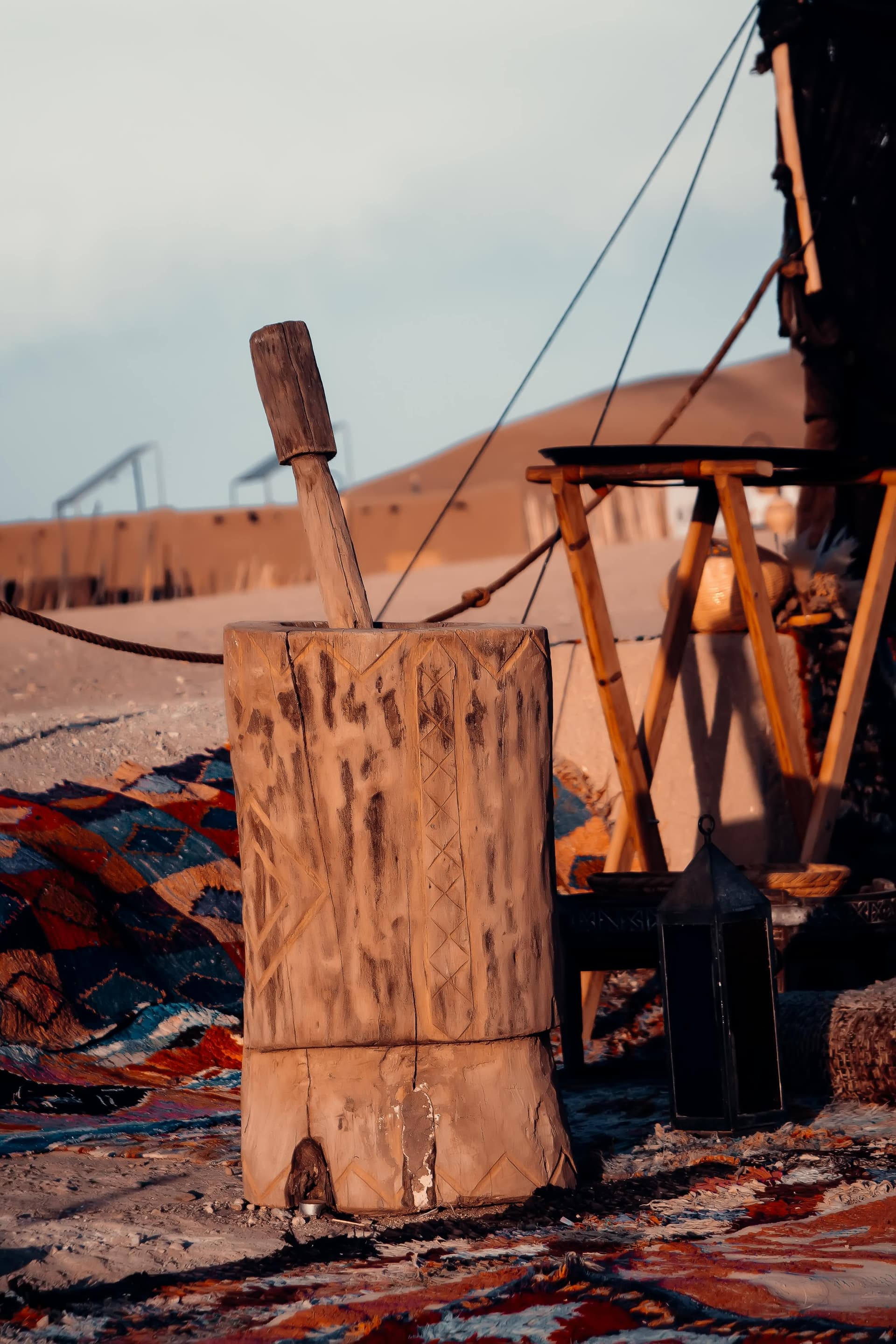

The Secrets of Carved Woodwork
Wood, a material of character
In Marrakech, wood is worked with a precision that spans the ages. Cedar, thuya or walnut — each essence is chosen for its qualities, texture and scent. In the workshops, raw material is carved, hollowed, patinated, until it reveals forms both useful and decorative.
This expertise finds its roots in traditional architecture, where wood adorns ceilings, doors and moucharabiehs. It's not just about building, but decorating, storytelling, giving depth to spaces.
Here, wood lives and evolves. It carries the traces of time, of gesture, and of the hand that shaped it, between technical precision and attention to detail.
Between sculpture and architecture
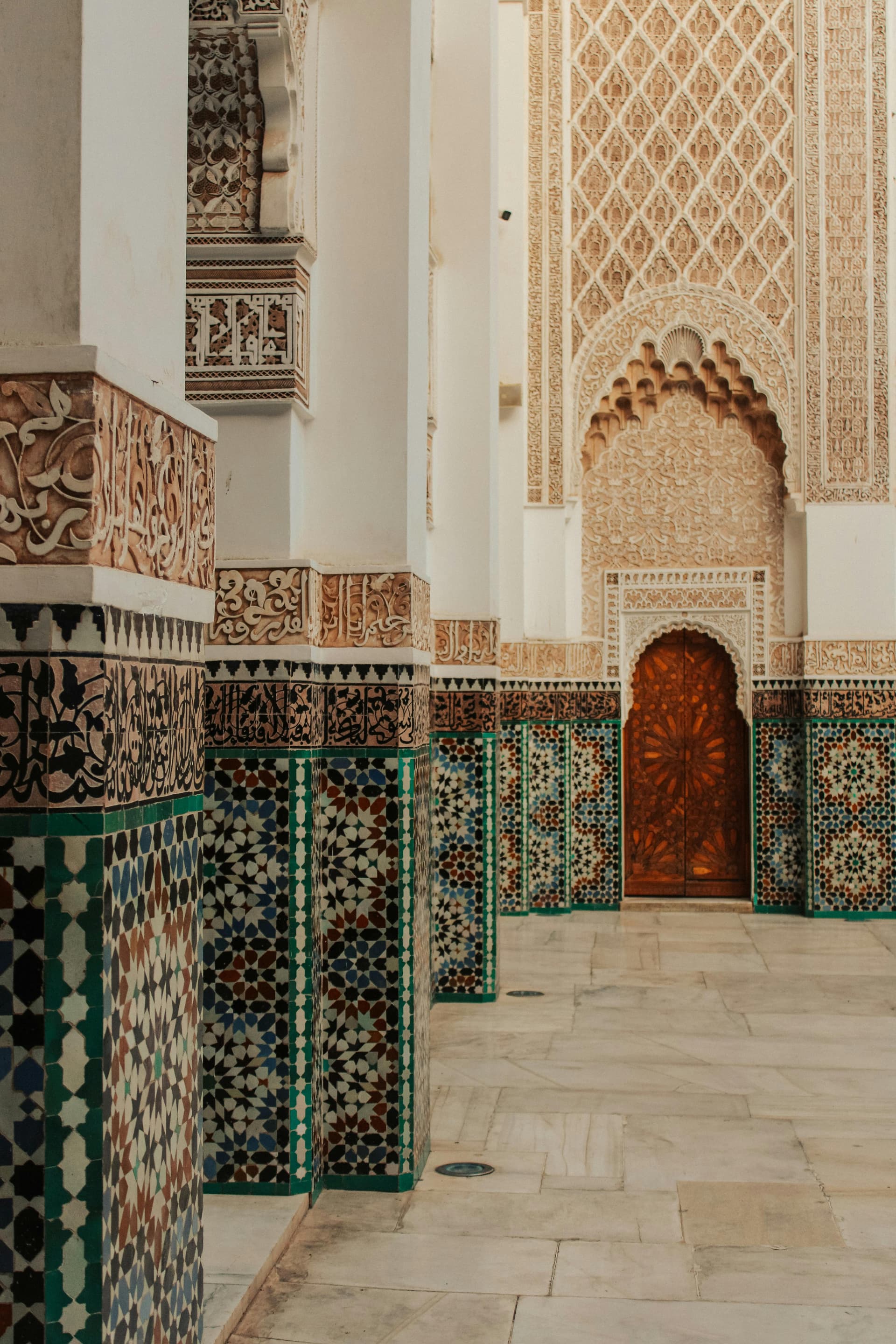
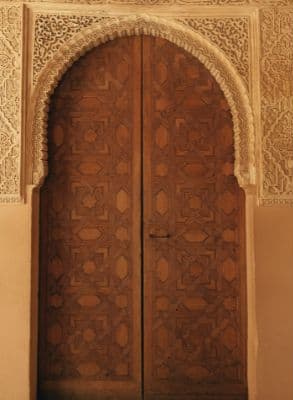
In the medina, wood reveals itself as much in objects as in places. A finely carved door, a worked ceiling, a discreetly ornamented facade — you only need to look up to see its full richness.
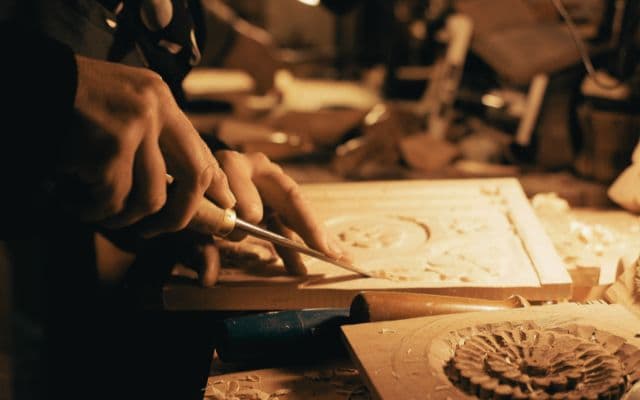
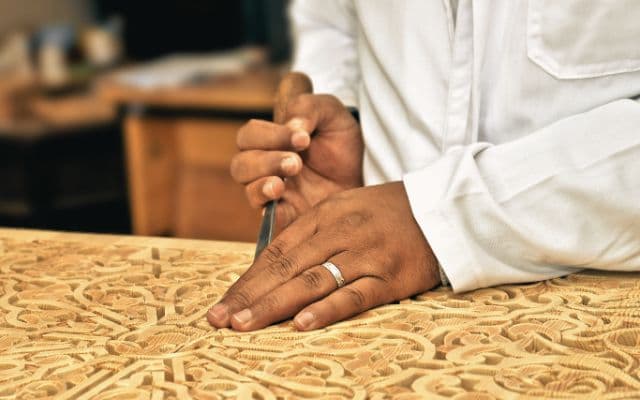
In the souks, workshops reveal another facet. Shavings accumulate on the floor, tools are placed within reach, and artisans carve with silent concentration. Trays, chests and decorative panels take shape gradually.
The eye follows the patterns, lingers on the reliefs, on the fineness of the cuts. Wood then becomes a visual language, both structured and alive.
Carving, turning, revealing
Initiating oneself to woodwork means entering a living material that reacts to every gesture. Unlike other crafts, here the mark is immediate. You must understand the grain, gauge the pressure, advance with precision.
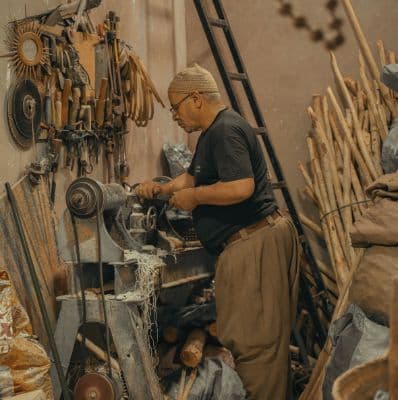
In some workshops, the experience begins with turning. Facing the spinning lathe, the piece takes shape gradually under your hands. The wood hollows, rounds, transforms in a few mastered gestures.
Further steps then allow sculpting, refining, adjusting. Guided by an artisan, the gesture sharpens, the material reveals itself. Little by little, the form appears, as if it had always been there, simply waiting to be unveiled.