
Gastronomie
Journey Into the Heart of Moroccan Gastronomy
May 20263 min read
Good to know
In Morocco, every moment of the day carries its own flavors and rituals. Mornings often begin with a generous breakfast of flaky msemen pancakes, honeycomb-like baghrirs, honey, olive oil, amlou made with almonds and argan oil, all served alongside the country’s iconic mint tea.
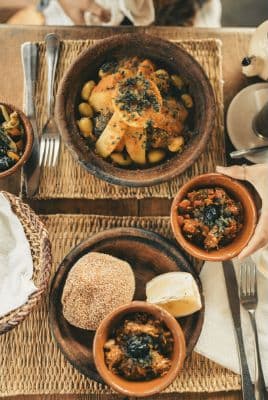
Lunch traditionally remains the main meal of the day. The tagine, an emblem of Moroccan cuisine, simmers slowly for hours inside its conical clay dish, preserving the full depth of spices and ingredients. Some flavor pairings surprise travelers, such as the combination of lamb, prunes, and almonds — a perfect reflection of Morocco’s love for sweet-and-savory cuisine.
Couscous, often enjoyed with family on Fridays, is another great culinary symbol of the country. More than just a dish, it represents a true moment of sharing.
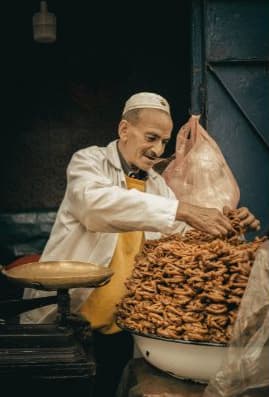
And then come the pastries: delicate gazelle horns, honey-soaked chebakias, almond-filled briouates, and crunchy fekkas scented with anise and dried fruits. In Morocco, sugar, spices, and orange blossom hold almost as important a place as savory flavors themselves.
The Flavors of Morocco
Moroccan gastronomy is often considered one of the richest and most refined in the Arab world. Influenced by Berber, Arab, Andalusian, and African traditions, it blends spices, fresh herbs, sweet and savory flavors with remarkable harmony.In Morocco, every moment of the day carries its own flavors and rituals. Mornings often begin with a generous breakfast of flaky msemen pancakes, honeycomb-like baghrirs, honey, olive oil, amlou made with almonds and argan oil, all served alongside the country’s iconic mint tea.
Lunch traditionally remains the main meal of the day. The tagine, an emblem of Moroccan cuisine, simmers slowly for hours inside its conical clay dish, preserving the full depth of spices and ingredients. Some flavor pairings surprise travelers, such as the combination of lamb, prunes, and almonds — a perfect reflection of Morocco’s love for sweet-and-savory cuisine.
Couscous, often enjoyed with family on Fridays, is another great culinary symbol of the country. More than just a dish, it represents a true moment of sharing.
And then come the pastries: delicate gazelle horns, honey-soaked chebakias, almond-filled briouates, and crunchy fekkas scented with anise and dried fruits. In Morocco, sugar, spices, and orange blossom hold almost as important a place as savory flavors themselves.
Must see
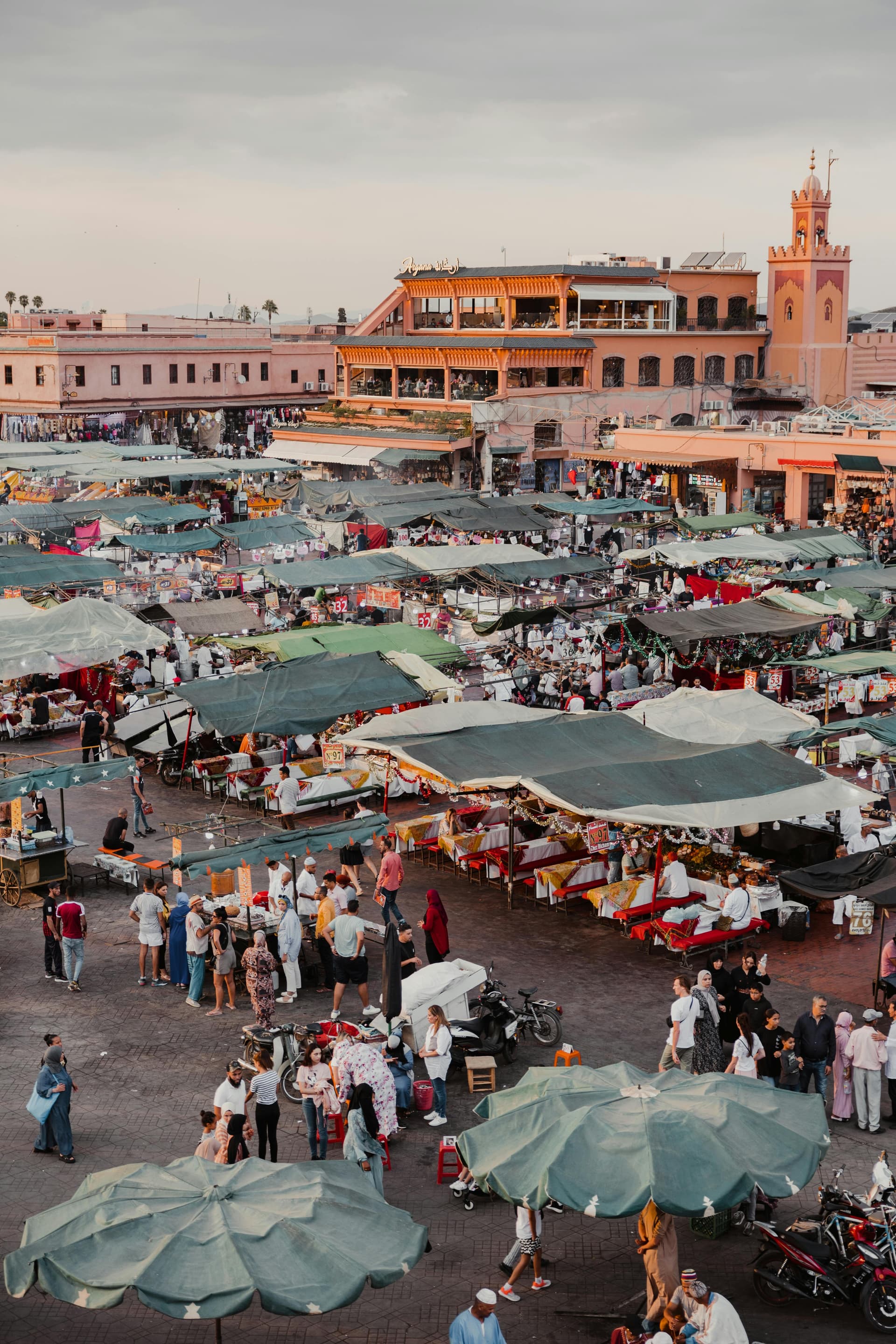
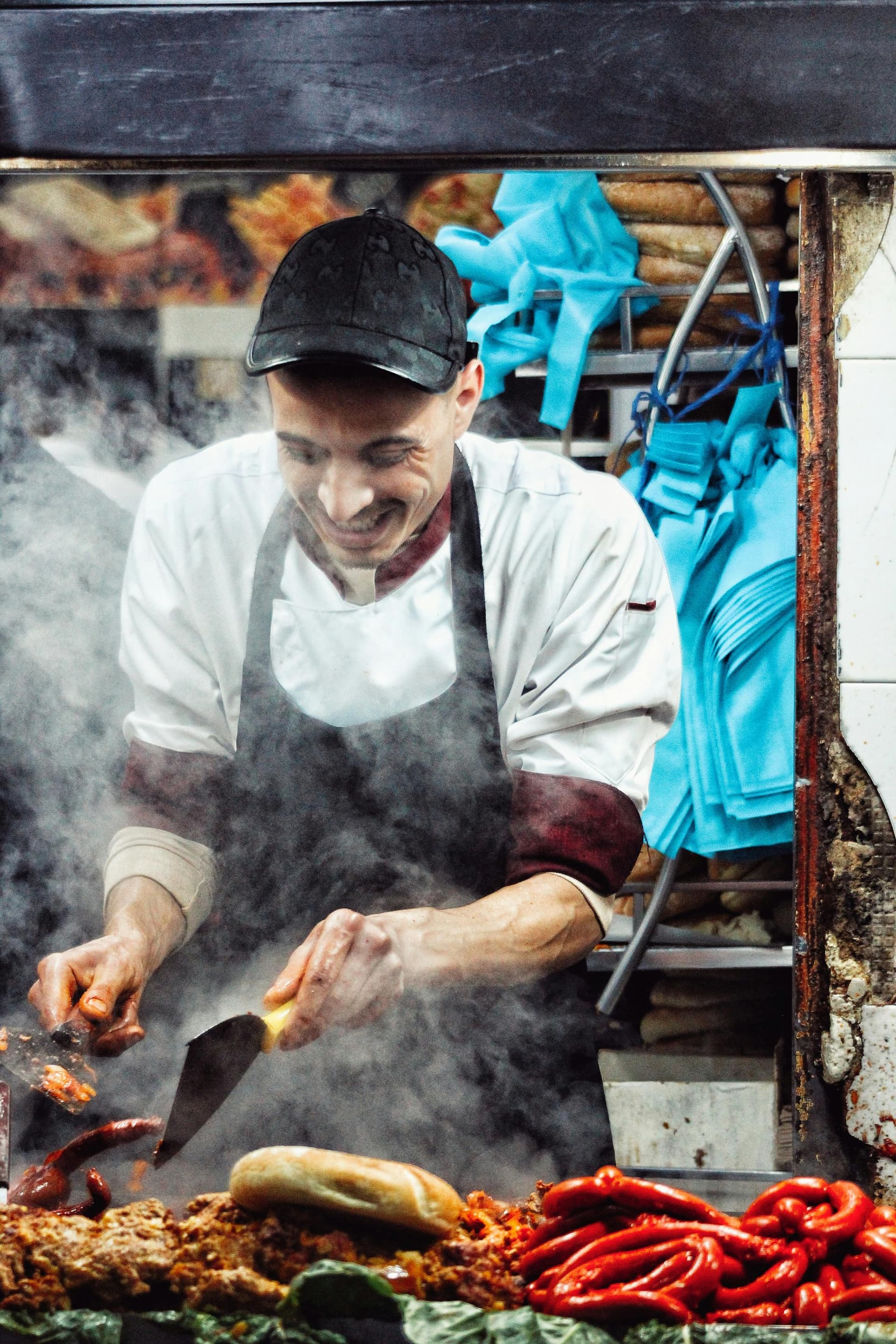
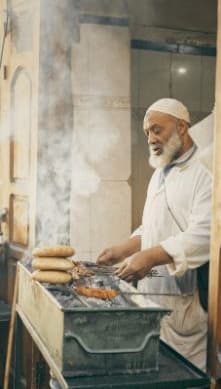
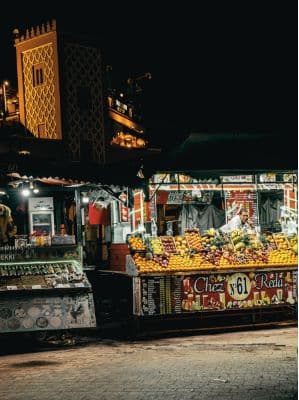
In the streets, aromas shift constantly. A slowly simmering tagine, charcoal-grilled skewers, warm bread emerging from traditional ovens, or vendors preparing fresh msemen on the spot all give the city an atmosphere that feels deeply alive.
By evening, Moroccan tables reveal another side of the country’s gastronomy. Inside riads, patios glow softly while dishes arrive slowly, carried by the rhythm of mint tea and fragrant spices.
Across the country, each region also brings its own specialties. The south reveals a richer, spicier cuisine, coastal towns celebrate fish and seafood, while the Atlas Mountains offer more rustic and authentic recipes.
Even pastries become a spectacle. In certain traditional shops, trays filled with golden sweets resemble works of art.
Between Souks, Dining Tables, and Moroccan Kitchens
In Marrakech and Fez, the souks awaken the senses instantly. Market stalls overflow with marinated olives, dried fruits, colorful spices, and pastries still warm from the oven, scented with cinnamon and orange blossom.In the streets, aromas shift constantly. A slowly simmering tagine, charcoal-grilled skewers, warm bread emerging from traditional ovens, or vendors preparing fresh msemen on the spot all give the city an atmosphere that feels deeply alive.
By evening, Moroccan tables reveal another side of the country’s gastronomy. Inside riads, patios glow softly while dishes arrive slowly, carried by the rhythm of mint tea and fragrant spices.
Across the country, each region also brings its own specialties. The south reveals a richer, spicier cuisine, coastal towns celebrate fish and seafood, while the Atlas Mountains offer more rustic and authentic recipes.
Even pastries become a spectacle. In certain traditional shops, trays filled with golden sweets resemble works of art.
Must do
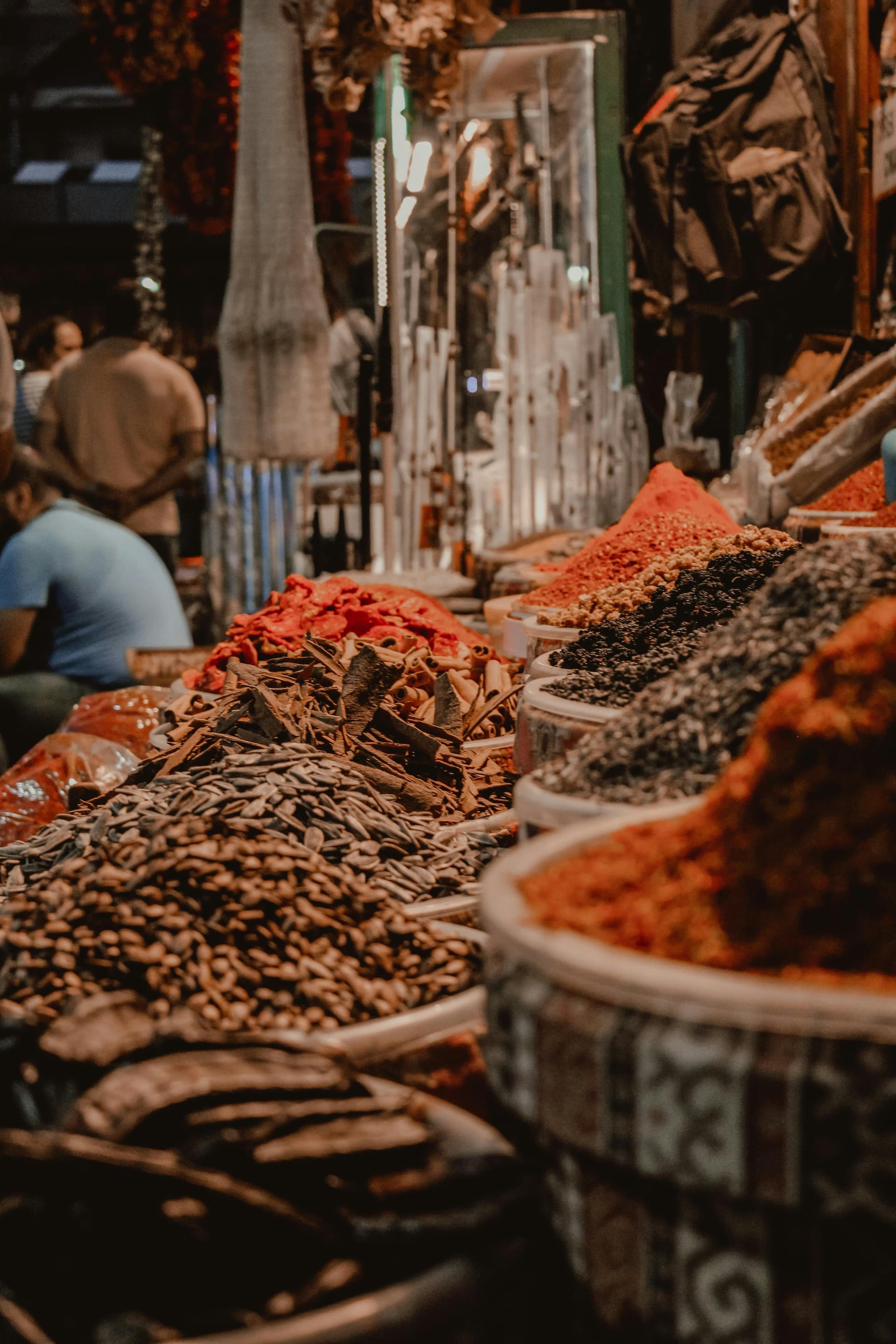
Markets then offer a chance to discover the ingredients that shape the country’s cuisine: freshly ground spices, aromatic herbs, olives, dates, almonds, and scented oils. Some travelers enjoy taking the time to select their spices carefully and create their own blends to bring home.
Taking part in a Moroccan cooking workshop also remains one of the most beautiful ways to understand the country. Learning how to roll couscous semolina by hand, prepare a tagine, or master the delicate balance of spices transforms the meal into a true cultural experience.
As evening falls, long Moroccan tables invite people to slow down. Sharing several dishes, tasting sweet-and-savory combinations, and ending the meal with honey pastries and mint tea becomes an essential part of the journey.
But beyond the recipes, what people often remember most about Morocco is its unique way of welcoming others. Here, cuisine is above all a story of generosity, transmission, and sharing.
Tasting Morocco Differently
Discovering Moroccan gastronomy often begins early in the morning, around steaming tea served with warm Moroccan pancakes and fragrant honey.Markets then offer a chance to discover the ingredients that shape the country’s cuisine: freshly ground spices, aromatic herbs, olives, dates, almonds, and scented oils. Some travelers enjoy taking the time to select their spices carefully and create their own blends to bring home.
Taking part in a Moroccan cooking workshop also remains one of the most beautiful ways to understand the country. Learning how to roll couscous semolina by hand, prepare a tagine, or master the delicate balance of spices transforms the meal into a true cultural experience.
As evening falls, long Moroccan tables invite people to slow down. Sharing several dishes, tasting sweet-and-savory combinations, and ending the meal with honey pastries and mint tea becomes an essential part of the journey.
But beyond the recipes, what people often remember most about Morocco is its unique way of welcoming others. Here, cuisine is above all a story of generosity, transmission, and sharing.